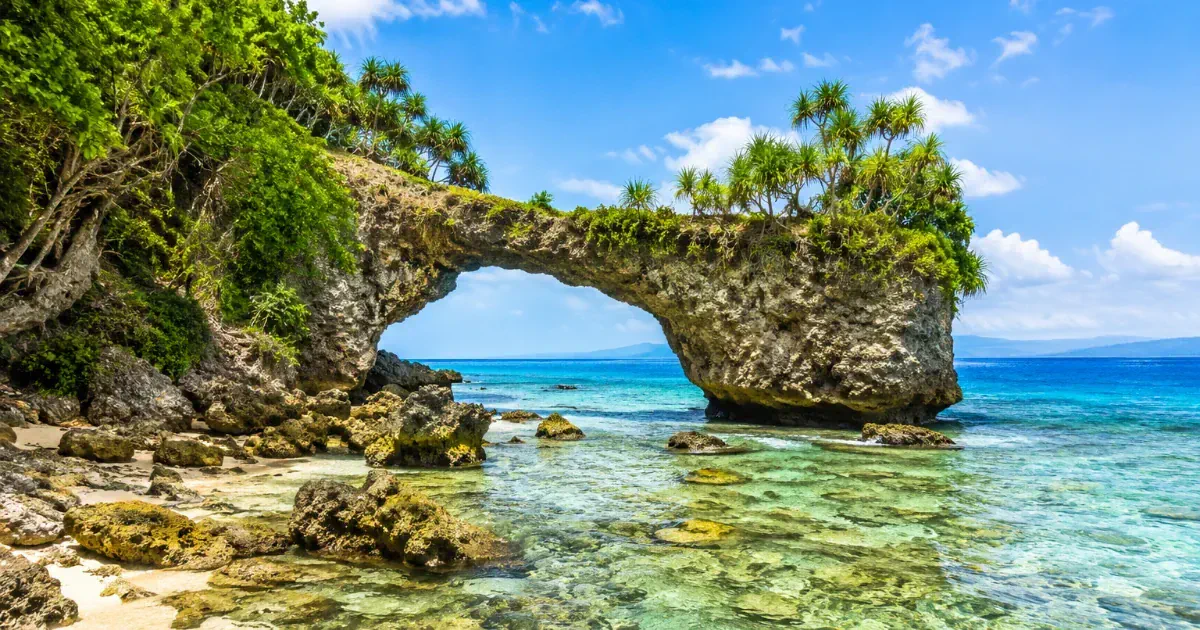
Bioluminescence is one of the most fascinating natural phenomena that can be experienced in the Andaman Islands. Under favourable conditions, the sea glows with brilliant blue light as microscopic marine organisms illuminate the water when it is disturbed. This rare spectacle attracts nature enthusiasts, photographers, and travellers seeking a unique nighttime experience.
Unlike a permanent tourist attraction, bioluminescence depends entirely on natural environmental conditions, making every sighting unique. The Andaman Islands offer several locations where visitors may witness this phenomenon during the right season, particularly in calm coastal waters with minimal light pollution.
Quick Answer
Bioluminescence in the Andaman Islands is a natural phenomenon caused by microscopic marine plankton that emit blue light when the surrounding water is disturbed. The best places to witness it include Havelock Island (Swaraj Dweep), Neil Island (Shaheed Dweep), Long Island, and selected mangrove creeks. The highest chances of seeing the glowing sea are generally between November and May on dark, moonless nights, with night kayaking being one of the most popular ways to experience it.
What is Bioluminescence?
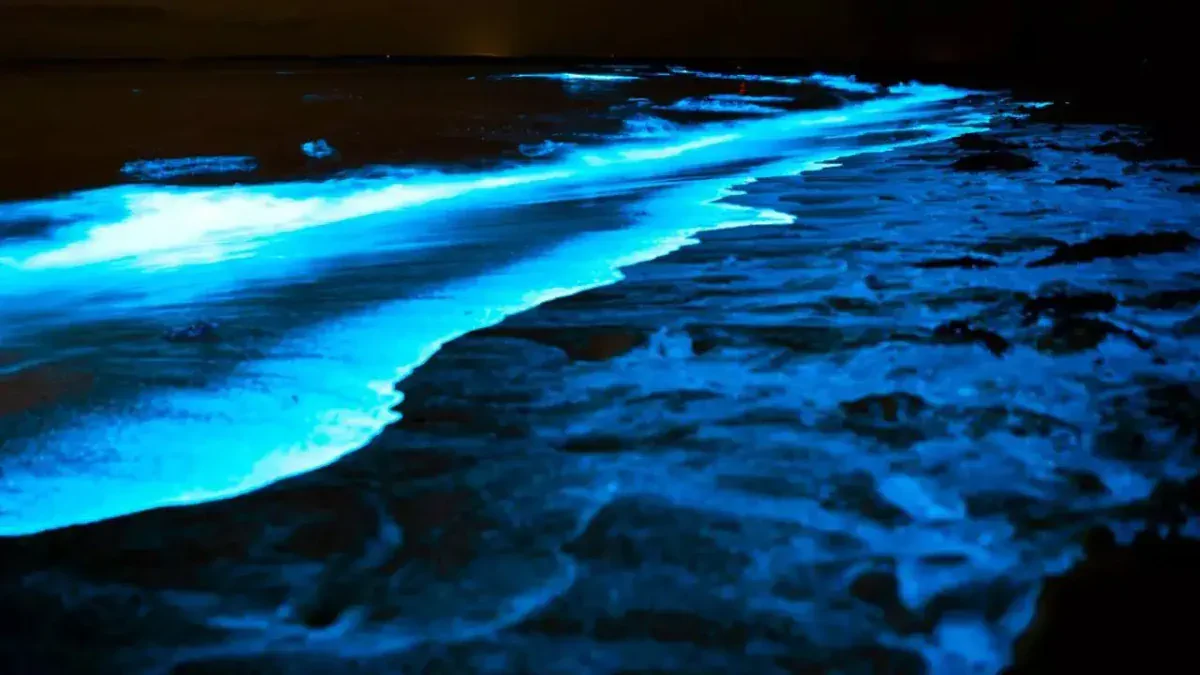
Bioluminescence is the natural production of light by living organisms through a chemical reaction within their bodies. In the ocean, this glow is primarily produced by microscopic plankton known as dinoflagellates.
When these organisms are disturbed by waves, paddles, boats, or marine life, they emit brief flashes of blue light. When millions of plankton react simultaneously, the water appears to sparkle or glow, creating the spectacular effect known as bioluminescence.
Although this phenomenon occurs in different parts of the world, the warm tropical waters of the Andaman Islands provide favourable conditions for seasonal bioluminescence, making it one of the few places in India where visitors have the opportunity to witness the glowing sea.
How Does Bioluminescence Occur?
Bioluminescence occurs through a natural biochemical reaction inside microscopic marine organisms. When the surrounding water is disturbed, a light-producing compound called luciferin reacts with an enzyme known as luciferase in the presence of oxygen, releasing energy as visible blue light.
The intensity of the glow depends on several natural factors, including the concentration of bioluminescent plankton, water clarity, sea conditions, weather, and the amount of ambient light. Calm waters and dark, moonless nights generally provide the best viewing conditions, while rough seas, heavy rainfall, or bright moonlight can reduce visibility.
Since these environmental conditions change regularly, bioluminescence cannot be predicted with complete certainty or guaranteed on any particular night.
Best Places to See Bioluminescence in Andaman
Bioluminescence has been observed at several locations across the Andaman Islands, but its visibility depends on natural conditions rather than a fixed location. Areas with calm waters, low light pollution, and limited disturbance generally offer better opportunities to witness the glowing sea.
1. Havelock Island (Swaraj Dweep)
Havelock Island is the most well-known destination for experiencing bioluminescence in the Andaman Islands. Its sheltered coastal waters and relatively dark surroundings create favourable conditions for the phenomenon during suitable weather.
Many visitors choose guided night kayaking tours, where the movement of the kayak through the water creates trails of blue light. Since sightings depend on natural conditions, tour operators usually schedule trips only when conditions appear favourable.
2. Neil Island (Shaheed Dweep)
Neil Island is another popular location where bioluminescence has been observed. Compared to busier tourist areas, parts of the island remain quieter after sunset, providing darker surroundings that improve visibility.
The phenomenon is typically seen along less crowded coastal stretches where calm waters allow bioluminescent plankton to accumulate naturally.
3. Long Island
Long Island offers a more secluded setting with relatively low tourism and minimal coastal development. These conditions reduce artificial lighting, making it a suitable destination for travellers looking to experience natural nighttime phenomena.
Although organised tours are fewer than those available on Havelock Island, favourable environmental conditions occasionally make Long Island an excellent place to witness bioluminescence.
4. Mangrove Creeks
Sheltered mangrove creeks in the Andaman Islands can also display bioluminescence. Their protected waters experience less wave action, allowing plankton to remain concentrated for longer periods.
Night kayaking through these waterways provides a unique perspective, as the glowing water becomes visible with every paddle stroke while surrounded by dense mangrove forests.
5. Other Secluded Coastal Areas
Bioluminescence is not limited to a single island. Remote beaches and quiet coastal waters across the Andaman Islands may occasionally exhibit the phenomenon when environmental conditions are favourable.
Since the glow cannot be predicted in advance, local guides and licensed tour operators are often the best source of current information on recent sightings.
Best Time to See Bioluminescence in Andaman
The best season to witness bioluminescence is generally from November to May, when the sea is calmer and underwater visibility is typically better. Within this period, moonless or new moon nights offer the darkest conditions, making the blue glow easier to observe.
Heavy rainfall, rough seas, or bright moonlight can reduce visibility, even during the recommended season. Because bioluminescence is a natural phenomenon, its intensity varies from night to night depending on prevailing environmental conditions.
How to Experience Bioluminescence in Andaman
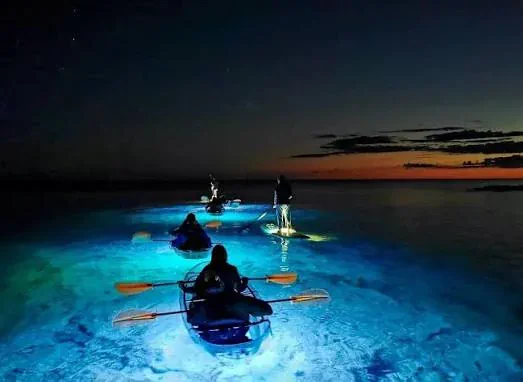
There are several ways to experience bioluminescence in the Andaman Islands. The availability of each activity depends on the location, weather conditions, and local tour operators.
Night Kayaking
Night kayaking is the most popular way to witness bioluminescence. As the kayak moves through the water, the movement disturbs the bioluminescent plankton, creating glowing blue trails around the paddle and along the kayak's path.
Guided kayaking tours are commonly offered in Havelock Island and selected mangrove areas during favourable conditions. Participants are provided with safety equipment and accompanied by trained guides.
Boat Tours
Some operators organise evening boat trips to secluded coastal waters where bioluminescence has been observed. These tours allow visitors to experience the phenomenon from the water without kayaking and are suitable for travellers looking for a more relaxed option.
Availability depends on weather conditions and operational schedules.
Viewing from the Shore
On nights when bioluminescence is particularly active, the blue glow may be visible along quiet beaches as gentle waves reach the shoreline. Choosing locations with minimal artificial lighting can improve visibility.
Since the phenomenon is unpredictable, shoreline sightings cannot be guaranteed even during the recommended season.
Travel Tips
A little preparation can help make your bioluminescence experience more enjoyable.
- Plan your visit between November and May for better chances of favourable conditions.
- Prefer moonless or new moon nights for darker skies.
- Book tours with licensed and experienced operators.
- Follow all safety instructions provided by your guide.
- Wear comfortable clothing suitable for evening activities.
- Carry only essential belongings, especially during kayaking tours.
- Avoid using bright flashlights, as they reduce night visibility.
- Do not disturb marine life or leave litter in coastal areas.
Frequently Asked Questions (FAQs)
1. What is bioluminescence in the Andaman Islands?
Bioluminescence is a natural phenomenon in which microscopic marine organisms, known as bioluminescent plankton, emit a blue glow when the water is disturbed. Under favourable conditions, this creates the appearance of a glowing sea.
2. Where can I see bioluminescence in the Andaman Islands?
The best-known locations include Havelock Island (Swaraj Dweep), Neil Island (Shaheed Dweep), Long Island, and selected mangrove creeks. Visibility depends on natural conditions and cannot be guaranteed.
3. What is the best time to see bioluminescence in Andaman?
The best chances are generally between November and May, especially on moonless or new moon nights when the sea is calm and light pollution is minimal.
4. Is bioluminescence visible every night?
No. Bioluminescence is a natural phenomenon, and its visibility varies depending on weather, sea conditions, plankton concentration, and moonlight.
5. Is night kayaking the best way to experience bioluminescence?
Yes. Guided night kayaking is one of the most popular ways to experience bioluminescence, as the movement of the kayak creates glowing trails in the water.
6. Is bioluminescence safe to experience?
Yes. Bioluminescence itself is harmless. Visitors should, however, follow the safety instructions provided by licensed tour operators during nighttime activities.
7. Can bioluminescence be seen from the beach?
Yes. During favourable conditions, the blue glow may be visible along quiet beaches as waves reach the shoreline. However, sightings from the shore are not guaranteed.
8. Why does the sea glow blue at night in Andaman?
The blue glow is produced by microscopic plankton that emit light through a natural chemical reaction when the surrounding water is disturbed.
9. Can I photograph bioluminescence?
Yes, but photographing bioluminescence can be challenging because the light produced by the plankton is faint. A camera with manual settings and long-exposure capability generally produces better results than a smartphone.
10. Is bioluminescence available throughout the year in Andaman?
Bioluminescence may occur at different times of the year, but the best viewing opportunities are generally during the dry season when sea conditions are calmer and visibility is better.
Conclusion
Bioluminescence is one of the most unique natural experiences in the Andaman Islands. While sightings depend on favourable environmental conditions, visiting the right locations during the recommended season can improve your chances of witnessing the glowing sea. With proper planning and responsible travel, it can become a memorable highlight of your Andaman trip.