

Radhanagar Beach, Havelock Island: Complete Visitor Guide, Entry Rules and Best Time to Visit
Located on the western side of Swaraj Dweep—still widely known as Havelock Island—Radhanagar Beach is celebrated for its white sand, turquoise water, tropical forest and memorable sunsets. It is also popularly known as Beach No. 7.
This complete guide explains how to reach Radhanagar Beach, the current entry rules, swimming precautions, the best time to visit, what to carry and how to plan your experience properly.
Radhanagar Beach at a Glance
| Visitor Detail | Practical Information |
|---|---|
| Location | Swaraj Dweep, formerly Havelock Island |
| Distance from the jetty | Approximately 12 km |
| Best known for | White sand, swimming zones, forest scenery and sunset views |
| Recommended duration | Around 2–4 hours |
| Best arrival time | Around 9:00 AM for swimming or before 4:00 PM for sunset |
| Main activities | Swimming, walking, photography and relaxation |
| Water sports | None; visit Elephant Beach for adventure activities |
| General entry ticket | No entry fee |
| Parking | Free |
| Best season | Throughout the year |
| Environmental status | Blue Flag-certified beach |
Radhanagar remains a Blue Flag-certified beach. Blue Flag standards cover areas such as water quality, safety, environmental management, visitor facilities and sustainability.
What Makes Radhanagar Beach Special?
Many beautiful beaches depend on perfect weather or a particular camera angle. Radhanagar makes an impression even before you reach the water.
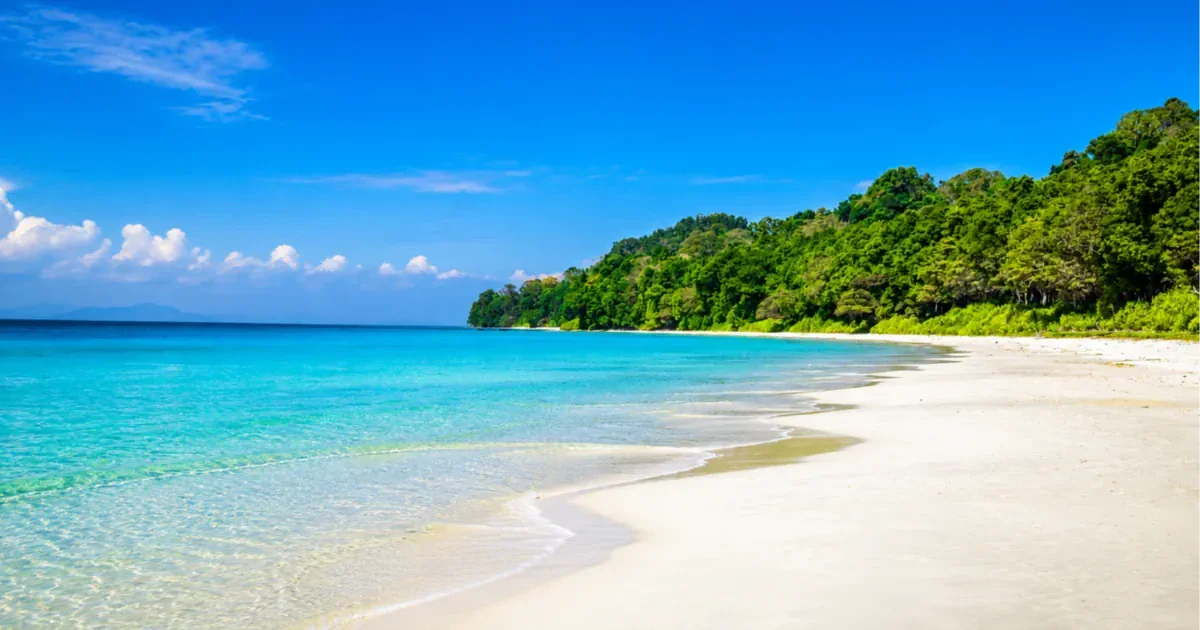
A dense wall of tropical forest stands behind the beach. In front of it lies an unusually broad stretch of soft sand opening towards the Bay of Bengal. There are no long rows of commercial establishments competing for attention along the main shoreline.
The result is a beach that feels spacious even when several visitors are present.
Radhanagar is also different from the activity-oriented side of Havelock. Travellers looking for snorkelling, sea walks and boat-based adventures usually visit Elephant Beach. Radhanagar is primarily suited to low-impact experiences such as swimming, sunbathing, walking, photography and watching the sunset.
The Experience Changes Throughout the Day
In the morning, the beach is peaceful and suitable for swimming, quiet walks and photography.
During the evening, families and groups begin arriving for sunset views and photography.
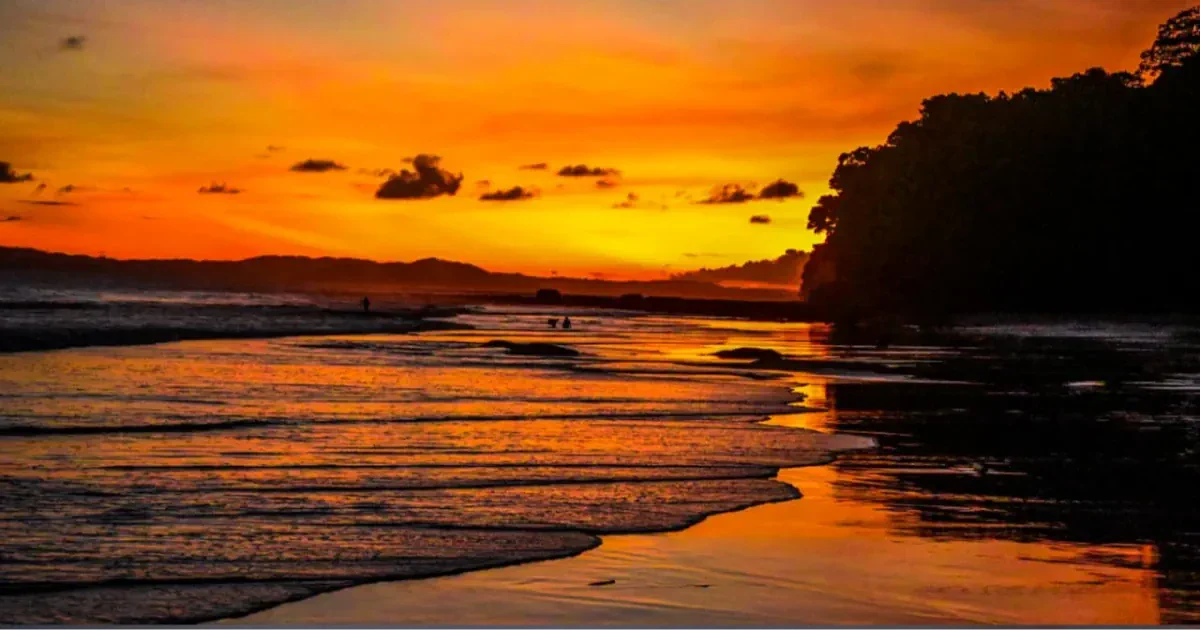
As sunset approaches, the entire mood changes. The light softens, the sky begins reflecting on the wet sand, and visitors gradually gather along the shoreline without the atmosphere turning into a noisy party.
That is why Radhanagar is not merely a sightseeing stop. It is a place where spending unhurried time matters more than simply ticking off another attraction.
Radhanagar Beach Entry Fee and Entry Rules
Is there an entry fee?
There is no entry fee for visiting Radhanagar Beach.
The parking facility near the beach is also free. Charges apply only for using the shower and toilet facilities.
Important Rules Every Visitor Should Follow
Radhanagar’s cleanliness and natural character can survive only when visitors treat it differently from an ordinary picnic ground.
1. Do not carry single-use plastic
Single-use plastic is prohibited on Swaraj Dweep. Carry a reusable water bottle and avoid disposable cups, plates, straws and thin plastic bags.
2. Do not collect shells, coral or marine life
You may see shells or small pieces of coral near the tide line. Photograph them, but leave them where they are.
Collecting coral, shells and marine organisms is prohibited. What may look like a harmless souvenir forms part of the island’s protected coastal ecosystem.
3. Do not litter
Use the available bins and take your waste with you when facilities are full or unavailable. Food wrappers, bottles and cigarette ends should never be left on the sand or inside the forested area.
4. Follow lifeguard and local-authority instructions
Sea conditions can change. A beach that looks calm from the shore may still have currents or unsafe sections.
Swim only within the designated or netted swimming zone, and follow warning flags, signs and lifeguard instructions.
5. Drone photography requires permission
Ordinary personal photography is allowed, but using a drone requires permission from the relevant local authorities.
Do not launch a drone simply because the beach appears open or uncrowded.
6. Do not enter restricted forest areas
The dense greenery behind Radhanagar is part of what makes the beach beautiful. Visitors should remain on recognised paths and public sections rather than entering forested or restricted areas.
Can You Swim at Radhanagar Beach?
Yes. Swimming is one of the most popular activities at Radhanagar Beach.
The designated swimming section has a gradual depth and protected or netted areas. However, this does not mean that the entire coastline is automatically safe throughout the day.
For a safer experience:
- Enter the water only within the permitted zone.
- Check warning flags before swimming.
- Keep children within immediate reach.
- Do not swim alone when the beach is nearly empty.
- Avoid entering the water during rough weather.
- Do not swim after consuming alcohol.
- Never ignore a lifeguard’s instructions.
- Move out of the water well before darkness.
Non-swimmers can still enjoy the shallow edge, but they should not depend on inflatable toys or casual flotation devices as safety equipment.
What Can You Do at Radhanagar Beach?
Swim in the designated zone
The clear water and gently sloping swimming area are among the beach’s biggest attractions when sea conditions are suitable.
Watch the sunset
The western-facing beach is famous for its sunset views. Arrive by around 4:00 PM to experience the changing light and golden hour without rushing.
Walk along the shoreline
The broad beach is ideal for a slow walk. Move away from the busiest entrance section, and the sound of conversation gradually gives way to waves and forest birds.
Take photographs
Tall trees, clean sand, shallow reflections and the open horizon make Radhanagar particularly suitable for landscape, couple and family photography.
Early morning offers fewer visitors and softer light. Late afternoon produces warmer colours but is usually busier.
Relax beneath the trees
The forest edge provides shaded areas and simple seating. Carry a mat or towel rather than assuming that rental equipment will always be available.
Have a light picnic
A simple picnic is possible in suitable areas, but keep it small and environmentally responsible.
Avoid glass bottles, disposable plastic and food that creates excessive packaging or waste.
What You Should Not Expect
Radhanagar is not the correct beach for every type of activity.
Do not visit expecting:
- Jet skiing
- Parasailing
- Banana-boat rides
- A crowded beach-party atmosphere
- Rows of shacks on the sand
- Loud music
- Extensive shopping
- A major nightlife zone
The absence of these activities is part of Radhanagar’s appeal. It is a low-impact beach focused on swimming, relaxation, nature and sunset views.
Travellers looking for snorkelling, sea walking and other adventure activities should visit Elephant Beach.
How to Reach Radhanagar Beach
Radhanagar Beach is approximately 12 km from Swaraj Dweep Jetty.
After reaching Havelock by ferry, visitors can continue to the beach by:
- Private taxi
- Auto-rickshaw
- Rental scooter
- Resort vehicle
- Public bus
By private cab
A private cab is the most convenient option for:
- Families with children
- Senior citizens
- Travellers carrying beach bags
- Visitors planning to remain until sunset
- Groups that want a fixed return arrangement
Agree on the waiting time and return pickup before entering the beach.
By auto-rickshaw
Auto-rickshaws operate between the jetty, resorts, markets and tourist attractions.
Confirm whether the driver will wait or return at a fixed time to collect you.
By rental scooter
Scooters offer flexibility, but the rider must carry a valid driving licence.
Roads on Swaraj Dweep are paved but can be narrow, so cautious riding is essential. Avoid riding after dark unless you are confident about the route and local road conditions.
By public bus
Government buses provide an economical option, but their timings may not always suit a sunset visit.
Confirm the last return service locally rather than assuming that public transport will remain available after sunset.
Best Time to Visit Radhanagar Beach
Radhanagar Beach can be visited throughout the year.
However, the experience depends on what you want to do.
For swimming
Visit during the morning, preferably around 9:00 AM, when the beach is generally quieter and you have enough daylight.
Swimming is always subject to sea conditions and lifeguard instructions.
For sunset
Arrive between 3:30 PM and 4:00 PM. This allows enough time to walk around, take photographs, relax and find a comfortable place before sunset.
During the monsoon
Radhanagar remains beautiful during the rainy season, but the sea may become rough and swimming may be restricted.
Visitors should follow lifeguard instructions and avoid entering the water during unsafe conditions.
Facilities at Radhanagar Beach
The following facilities are available near the beach:
- Free parking
- Small shops selling inflatable toys
- Shell-craft shops
- Beachwear
- Everyday items that visitors may need
- Coconut water
- Tea stalls
- One or two small dhabas
- Cold-drink stalls
- Changing rooms
- Toilets
- Shower facilities
The changing-room, toilet and shower facilities may involve a small usage charge.
What to Carry
Bring:
- A reusable water bottle
- Towel
- Change of clothes
- Small waterproof pouch
- Sunscreen
- Hat or cap
- Sunglasses
- Insect repellent
- Basic medication
- Cash for small local expenses
- Government-issued identification
- A bag for carrying your waste back
Avoid carrying unnecessary valuables or electronic equipment into the water.
Is Radhanagar Beach Good for Families?
Yes. Its broad shoreline, shaded areas and designated swimming zone make it one of the better Andaman beaches for families when sea conditions are suitable.
Parents should still remain attentive. Children should not enter deeper water alone, even when the sea looks calm.
Carry snacks, drinking water, towels and dry clothes rather than relying entirely on local shops.
Important note about wet clothes
Do not return from the beach wearing wet clothes.
Taxi, auto-rickshaw and bus drivers may not allow passengers wearing wet clothes inside their vehicles. Salt water is corrosive, and wet seats are uncomfortable for the passengers travelling after you.
Use the available changing and shower facilities before beginning your return journey.
Is Radhanagar Beach Suitable for Senior Citizens?
Radhanagar can be enjoyable for senior travellers who prefer scenery and relaxation over strenuous activity.
Arrange a cab close to the public entrance, avoid the strongest afternoon heat and choose a stable seating area beneath the trees.
Travellers with limited mobility should be aware that walking on loose sand can be difficult. A family member or travel companion should provide assistance where required.
Radhanagar Beach or Elephant Beach?
Choose Radhanagar Beach for:
- Sunset views
- Swimming
- Long walks
- Photography
- Relaxation
- Forest-and-sea scenery
Choose Elephant Beach for:
- Snorkelling
- Sea walking
- Boat-based activities
- Adventure water sports
- A more active excursion
Trying to decide which beach is better misses the point. They offer completely different experiences and can both be included during a two- or three-night stay on Havelock Island.
Quick Facts Before You Visit
- Radhanagar Beach is on Swaraj Dweep, formerly Havelock Island.
- It is also known as Beach No. 7.
- The beach is approximately 12 km from the jetty.
- Radhanagar is Blue Flag-certified.
- There is no entry fee.
- Parking is free.
- Swim only within the designated area.
- Arrive before 4:00 PM for an unhurried sunset experience.
- Visit around 9:00 AM if swimming is your priority.
- Do not collect shells or coral.
- Single-use plastic is prohibited.
- Drone photography requires permission.
- Change out of wet clothes before using public or hired transport.
- Confirm your return transport before staying for sunset.
A Beach Best Experienced Slowly
Radhanagar Beach does not need an elaborate itinerary.
Walk until the entrance feels distant. Sit beneath the trees. Enter the sea only where it is permitted. Watch the colour of the water change as the sun moves lower.
When it is time to leave, carry nothing away except photographs and memories.
Adventure Andaman can include Radhanagar Beach in a complete Swaraj Dweep itinerary with ferry tickets, hotel accommodation, private transfers, sightseeing and activities planned around your travel dates.
Frequently Asked Questions
Is there an entry fee for Radhanagar Beach?
No. There is no entry fee for visiting Radhanagar Beach, and parking is also free. Charges apply only for facilities such as toilets and showers.
What is the best time to visit Radhanagar Beach?
Radhanagar Beach can be visited throughout the year. Visit around 9:00 AM for swimming or arrive before 4:00 PM for an unhurried sunset experience.
Can tourists swim at Radhanagar Beach?
Yes, but visitors should swim only within the designated or netted swimming area and obey lifeguards, warning flags and local instructions. Swimming may be restricted during rough weather.
How far is Radhanagar Beach from Havelock Jetty?
Radhanagar Beach is approximately 12 km from Swaraj Dweep Jetty. Visitors can travel by taxi, auto-rickshaw, rental scooter or public bus.
Is Radhanagar Beach suitable for children?
Yes. It is popular with families, but children must remain under close adult supervision and should enter the water only within the permitted swimming zone.
Are water sports available at Radhanagar Beach?
No major adventure water sports are operated at Radhanagar Beach. Travellers looking for snorkelling, sea walking and other adventure activities should visit Elephant Beach.
Can I fly a drone at Radhanagar Beach?
Drone use requires permission from the relevant local authorities. Ordinary personal photography is allowed.
Can tourists collect shells from Radhanagar Beach?
No. Visitors should not collect shells, coral or marine organisms from the beach. Leave natural objects where they are and take only photographs.