

The Andaman Islands are famous for their beaches, coral reefs, and island experiences, but they also preserve some of India's most significant historical landmarks. From colonial-era prisons and administrative settlements to museums that document indigenous cultures and maritime heritage, these attractions provide a deeper understanding of the islands beyond their natural beauty.
If you're planning to explore the historical places in Andaman, you'll find a diverse mix of national memorials, heritage sites, museums, and wartime landmarks spread across Port Blair and nearby islands. Many of these attractions can be visited within one or two days, making them an excellent addition to any Andaman itinerary.
Quick Answer
The most important historical places in the Andaman Islands include:
- Cellular Jail National Memorial
- Netaji Subhas Chandra Bose Island (Ross Island)
- Viper Island
- Chatham Saw Mill
- Forest Museum
- Anthropological Museum
- Samudrika Naval Marine Museum
- Japanese Bunkers
Each attraction represents a different chapter in the islands' history, from the Indian freedom struggle and British administration to indigenous culture, forestry, maritime heritage, and World War II.
Why Visit Historical Places in Andaman?
A visit to the Andaman Islands isn't limited to beaches and water activities. Exploring its historical landmarks provides valuable context about how the islands developed over time and why they hold an important place in India's history.
These attractions are suitable for travellers who enjoy history, architecture, museums, or educational experiences. They also offer a balanced itinerary by combining cultural sightseeing with the islands' natural attractions.
Whether you're travelling with family, friends, or on your own, including a historical tour can add a different perspective to your Andaman holiday.
Historical Places in Andaman at a Glance
| Historical Place | Period | Significance |
|---|---|---|
| Cellular Jail National Memorial | 1896–1906 | British prison for Indian freedom fighters |
| Netaji Subhas Chandra Bose Island | 1858 onwards | Former British administrative headquarters |
| Viper Island | Colonial era | Early penal settlement and gallows |
| Chatham Saw Mill | 1883 | Historic timber processing centre |
| Anthropological Museum | Modern | Indigenous tribal culture and heritage |
| Samudrika Naval Marine Museum | Modern | Maritime and island heritage |
| Forest Museum | Modern | Forestry and conservation |
| Japanese Bunkers | 1942–1945 | World War II defence structures |
1. Cellular Jail National Memorial
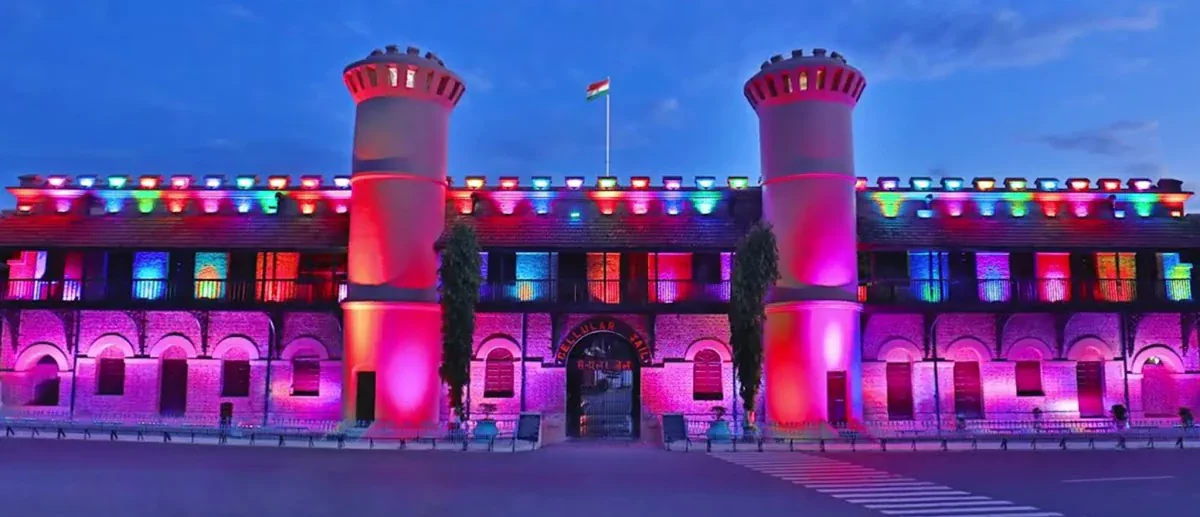
The Cellular Jail National Memorial is one of India's most significant historical monuments and the most visited heritage attraction in the Andaman Islands. Constructed by the British between 1896 and 1906, the prison was designed to isolate political prisoners through solitary confinement, making communication between inmates extremely difficult.
The prison originally consisted of seven wings connected to a central watchtower. Today, only three wings remain, while the preserved structure serves as a National Memorial dedicated to India's freedom fighters.
Why It Is Historically Important
Cellular Jail played a major role during the Indian freedom movement. Many political prisoners from different parts of India were imprisoned here under British rule. The memorial today preserves their stories through museum galleries, photographs, documents, and restored prison cells.
What to See
- Historic prison cells
- Central watchtower
- Freedom fighters' galleries
- Museum exhibits
- Memorial corridors
- Veer Savarkar's prison cell
- Eternal Flame (Swatantrya Jyot)
- Light and Sound Show (evening)
The Light and Sound Show narrates the history of Cellular Jail and the sacrifices of India's freedom fighters, making it one of the most popular experiences in Port Blair.
Quick Facts
| Details | Information |
|---|---|
| Location | Port Blair |
| Built | 1896–1906 |
| Famous For | India's freedom struggle |
| Time Required | 2–3 Hours |
| Suitable For | Families, students, history enthusiasts |
2. Netaji Subhas Chandra Bose Island (Ross Island)
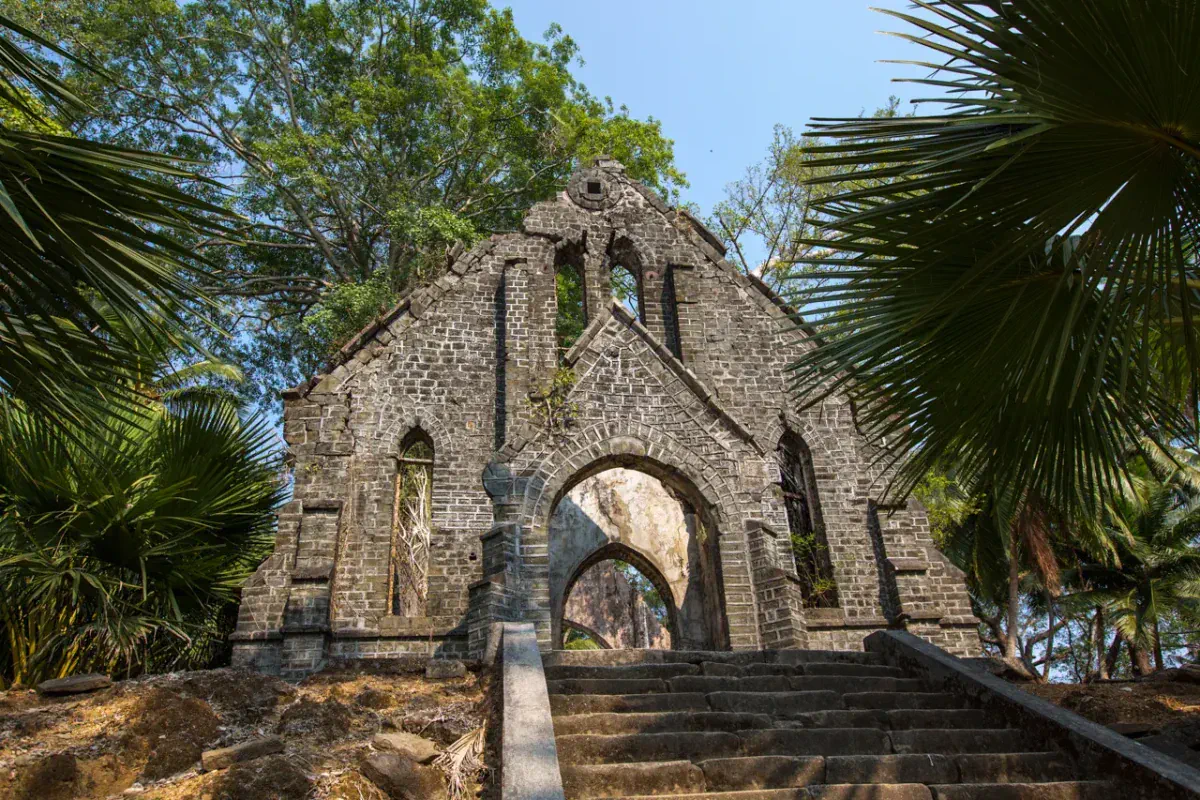
Located approximately 2 km from Port Blair, Netaji Subhas Chandra Bose Island, formerly known as Ross Island, served as the administrative headquarters of the British in the Andaman Islands for nearly nine decades. Before Port Blair became the administrative centre, most government offices, residences, and important establishments were located on this island.
Today, the island is known for its well-preserved colonial ruins, many of which have gradually become intertwined with large banyan tree roots, creating a distinctive historical landscape.
Historical Significance
Established after the British settlement in 1858, the island functioned as the centre of administration until it was abandoned following the earthquake of 1941 and the Japanese occupation during World War II. In 2018, it was officially renamed Netaji Subhas Chandra Bose Island.
What to See
- Chief Commissioner's Residence
- Historic Church ruins
- British Bakery remains
- Printing Press
- Swimming Pool
- Government Officers' Quarters
- Cemetery
- Lighthouse area
- Free-roaming deer and peacocks
Most visitors explore the island on foot, with clearly marked pathways connecting the major historical structures.
Quick Facts
| Details | Information |
|---|---|
| Location | Near Port Blair |
| Historical Period | British Administration (1858–1945) |
| Famous For | Colonial administrative headquarters |
| Time Required | 2–3 Hours |
| Accessible By | Ferry from Port Blair |
Travel Tip
If you're planning to visit Cellular Jail and Netaji Subhas Chandra Bose Island, consider exploring the island during the day and returning to Port Blair in time for the Cellular Jail Light and Sound Show. This combination allows you to experience two of the Andaman Islands' most significant historical attractions in a single day without rushing.
3. Viper Island
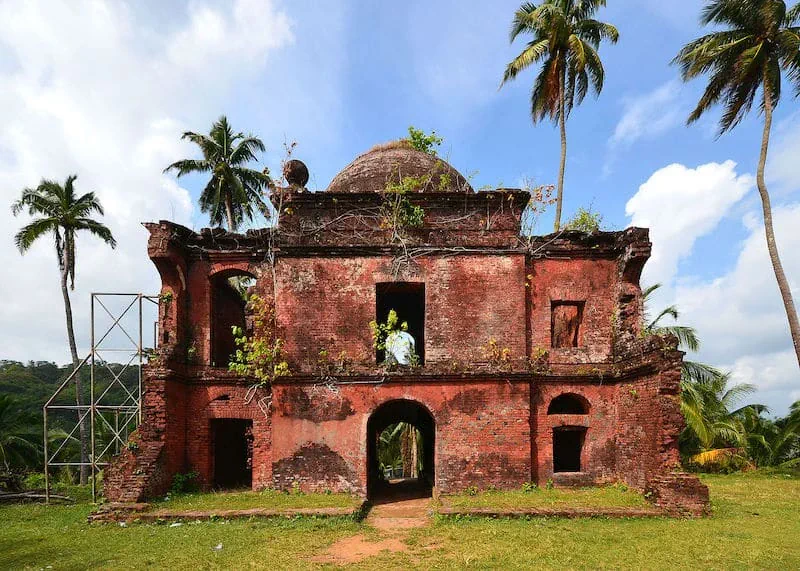
Before the construction of the Cellular Jail, Viper Island served as one of the earliest penal settlements established by the British in the Andaman Islands. It is historically associated with the imprisonment of convicts and political prisoners during the colonial period.
The island is named after HMS Viper, the vessel that was wrecked near its shores in the late eighteenth century. Although much of the original prison has deteriorated over time, the remaining ruins continue to reflect an important phase in the islands' colonial history.
Historical Significance
Viper Island housed a jail and gallows that were used before the completion of the Cellular Jail. Several prisoners were confined here under harsh conditions, making the island an important landmark connected to the early British penal system in the Andaman Islands.
What to See
- Historic jail ruins
- Old gallows
- Colonial stone structures
- Harbour viewpoints
- Information boards explaining the island's history
The island is generally visited as part of a boat excursion from Port Blair, subject to operational availability.
Quick Facts
| Details | Information |
|---|---|
| Location | Near Port Blair Harbour |
| Historical Period | British Colonial Era |
| Famous For | Early penal settlement and gallows |
| Time Required | 1–2 Hours |
| Accessible By | Boat from Port Blair |
4. Chatham Saw Mill
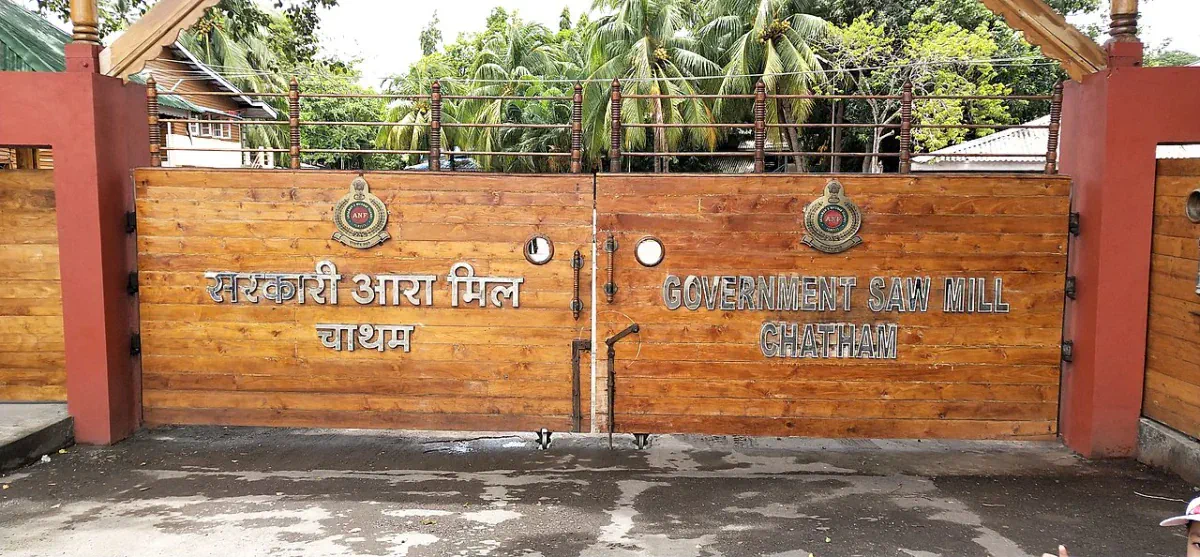
Established in 1883, Chatham Saw Mill is one of the oldest functioning sawmills in Asia. Located on Chatham Island, it was built by the British to process timber sourced from the forests of the Andaman Islands for construction and other government projects.
Even today, the sawmill remains an important industrial heritage site while also serving as an educational attraction for visitors interested in forestry and engineering.
Historical Significance
During British rule, timber from the Andaman Islands was widely used for administrative buildings, infrastructure, and shipbuilding. Chatham Saw Mill played a central role in processing and distributing this timber across different parts of India.
What to See
- Original timber processing machinery
- Historic sawmill equipment
- Timber storage yards
- Displays explaining the milling process
- Wooden artefacts
- Forestry museum located within the complex
Visitors can observe both the historical machinery and modern timber processing operations, depending on operational schedules.
Quick Facts
| Details | Information |
|---|---|
| Location | Chatham Island, Port Blair |
| Established | 1883 |
| Famous For | Historic timber industry |
| Time Required | 1–1.5 Hours |
| Suitable For | Families, students, engineering enthusiasts |
5. Forest Museum
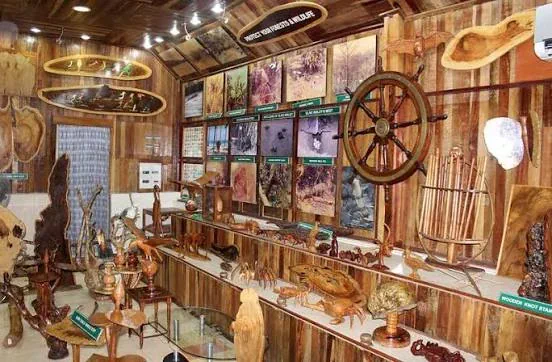
Situated within the Chatham Saw Mill complex, the Forest Museum introduces visitors to the forests of the Andaman Islands and their long-standing role in the region's economy and biodiversity. The museum is managed by the Andaman & Nicobar Forest Department and complements a visit to the sawmill.
Rather than focusing on colonial history, the museum explains how different timber species have been used over the years and highlights the importance of sustainable forest management.
What to See
- Wooden handicrafts
- Timber samples
- Models of native tree species
- Forestry exhibits
- Displays on forest conservation
- Educational information about the islands' vegetation
Quick Facts
| Details | Information |
|---|---|
| Location | Chatham Island |
| Managed By | Andaman & Nicobar Forest Department |
| Famous For | Forestry heritage and timber exhibits |
| Time Required | 30–45 Minutes |
| Best Combined With | Chatham Saw Mill |
6. Anthropological Museum
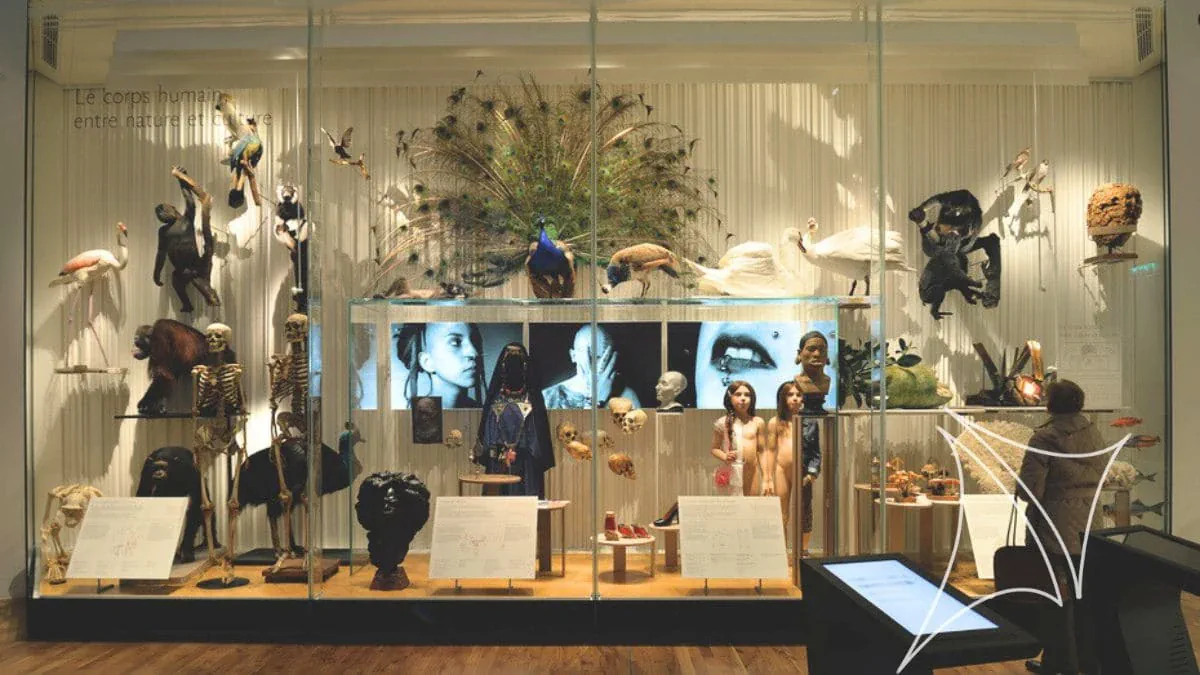
The Anthropological Museum in Port Blair introduces visitors to the indigenous tribes of the Andaman and Nicobar Islands. Rather than focusing on colonial history, the museum documents the traditions, lifestyles, tools, and cultural heritage of the islands' native tribes through carefully curated exhibits.
It provides an educational overview of communities such as the Great Andamanese, Jarawa, Onge, Sentinelese, Nicobarese, and Shompen, helping visitors understand the cultural diversity of the archipelago.
What to See
- Tribal artefacts
- Traditional hunting and fishing equipment
- Clothing and ornaments
- Scale models of indigenous settlements
- Historical photographs
- Cultural information panels
The museum is particularly suitable for students, researchers, and travellers interested in anthropology and indigenous history.
Quick Facts
| Details | Information |
|---|---|
| Location | Port Blair |
| Famous For | Indigenous tribal history and culture |
| Time Required | 1–2 Hours |
| Best For | Families, students, researchers |
7. Samudrika Naval Marine Museum
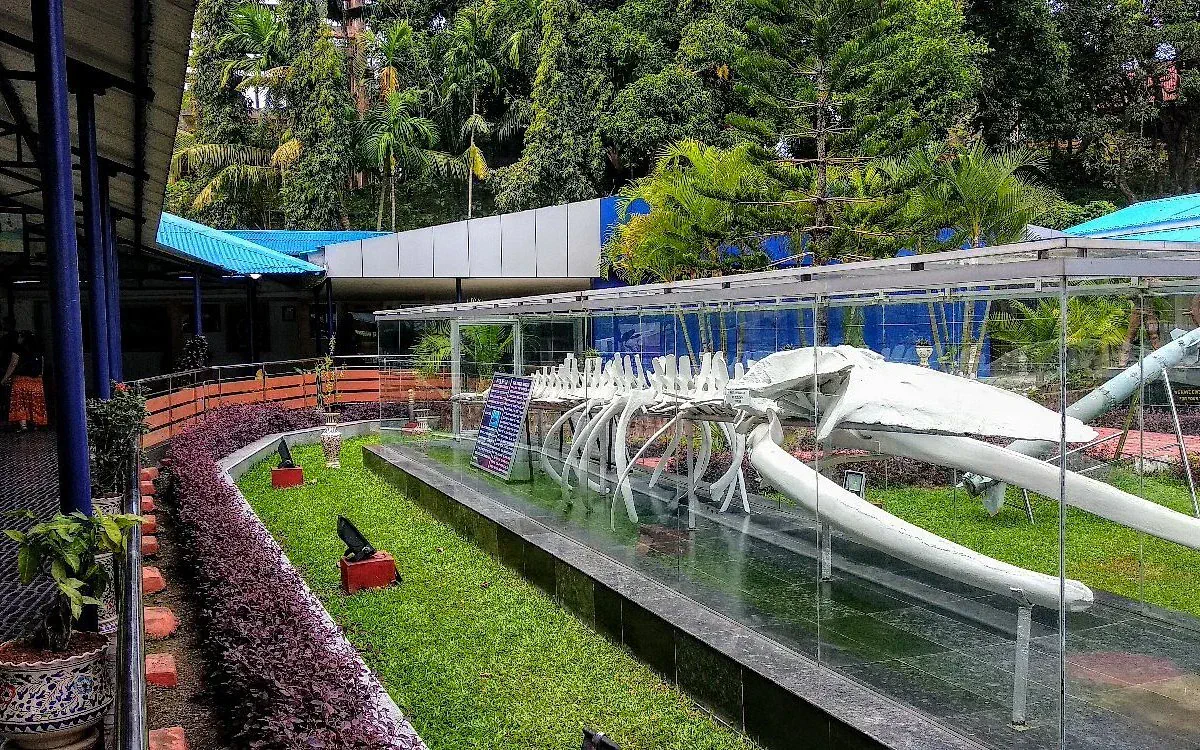
Managed by the Indian Navy, the Samudrika Naval Marine Museum presents a comprehensive overview of the Andaman and Nicobar Islands through exhibits on marine biodiversity, geology, archaeology, geography, and island history.
Unlike the Anthropological Museum, which focuses on indigenous communities, Samudrika explains how the islands have evolved naturally and why they are strategically important in the Indian Ocean.
What to See
- Marine biodiversity exhibits
- Coral and shell collections
- Geological displays
- Archaeological artefacts
- Island maps and models
- Information on marine conservation
The museum is an ideal stop for first-time visitors who want a broader understanding of the Andaman Islands before exploring different destinations.
Quick Facts
| Details | Information |
|---|---|
| Location | Port Blair |
| Managed By | Indian Navy |
| Famous For | Maritime and island heritage |
| Time Required | 1–2 Hours |
| Best For | Families, students, first-time visitors |
8. Japanese Bunkers
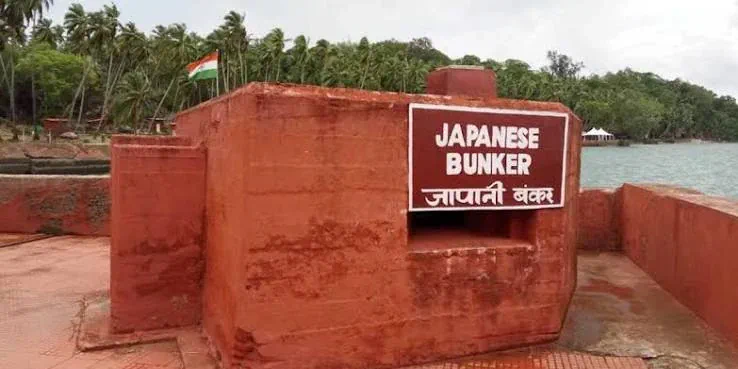
The Japanese Bunkers found in Port Blair and nearby areas are reminders of the Japanese occupation of the Andaman Islands during World War II (1942–1945). Built as defensive military structures, these reinforced concrete bunkers were strategically positioned to protect important locations across the islands.
Although many have weathered over time, several bunkers can still be seen near roads, beaches, and public spaces, providing insight into the islands' wartime history.
What to See
- Preserved concrete bunkers
- Defensive military structures
- Historic wartime locations
- Information boards at selected sites
- Coastal viewpoints around bunker locations
These sites are generally visited as short stops while exploring Port Blair rather than as standalone attractions.
Quick Facts
| Details | Information |
|---|---|
| Location | Various locations in Port Blair |
| Historical Period | Japanese Occupation (1942–1945) |
| Famous For | World War II military structures |
| Time Required | 20–30 Minutes |
| Suitable For | History enthusiasts and photographers |
Common Mistakes to Avoid
Many travellers include historical attractions in their itinerary without checking timings or planning the route. These simple precautions can help make your visit smoother and more enjoyable.
1. Missing the Cellular Jail Light and Sound Show
The Light and Sound Show is one of the main attractions at Cellular Jail. Since seats are limited and timings vary, it's advisable to book tickets in advance whenever possible.
2. Not Checking Ferry Timings
Boat services to Netaji Subhas Chandra Bose Island (Ross Island) and Viper Island operate on fixed schedules and may change due to weather or operational reasons. Confirm departure and return timings before leaving Port Blair.
3. Planning Too Many Attractions in One Day
Although most historical sites are located around Port Blair, exploring every attraction in a single day can be rushed. Dividing your visit across two days allows more time at each location.
4. Ignoring Museum Opening Hours
Museums may have weekly holidays, maintenance closures, or revised timings. Checking official opening hours before visiting can help avoid unnecessary travel.
5. Carrying Inadequate Essentials
Most attractions involve walking outdoors. Carry drinking water, wear comfortable footwear, use sunscreen, and keep a valid photo ID with you throughout your trip.
Before You Visit
Planning ahead can help you cover the major historical attractions efficiently.
- Allocate one to two days for historical sightseeing.
- Start your day early to avoid crowds and afternoon heat.
- Check ferry schedules before visiting island attractions.
- Verify museum opening hours and ticket availability.
- Carry cash or digital payment options for entry tickets where applicable.
- Follow photography guidelines displayed at each attraction.
- Respect heritage structures and avoid climbing or damaging monuments.
- Keep the surroundings clean and dispose of waste responsibly.
Frequently Asked Questions
1. Which is the most famous historical place in the Andaman Islands?
The Cellular Jail National Memorial is the most iconic historical attraction in the Andaman Islands. It is recognised as a National Memorial and is closely associated with India's freedom struggle.
2. How many days are enough to explore the historical places in Andaman?
Most major historical attractions can be explored in one to two days, especially those located in and around Port Blair.
3. Can I visit Netaji Subhas Chandra Bose Island and Viper Island on the same day?
Yes. Depending on ferry schedules and weather conditions, many travellers include both islands in a single sightseeing trip from Port Blair.
4. Which museums should I visit in Port Blair?
The Anthropological Museum, Samudrika Naval Marine Museum, and Forest Museum are among the most popular museums for learning about the islands' culture, marine environment, and forestry heritage.
5. Is the Cellular Jail Light and Sound Show worth watching?
Yes. The evening show presents the history of Cellular Jail and India's freedom struggle through narration, lighting effects, and music, making it one of Port Blair's most popular attractions.
6. Are guided tours available for historical attractions?
Yes. Local tour operators offer guided sightseeing tours that cover major historical landmarks in and around Port Blair. Visitors can also hire local guides at selected attractions.
7. Are historical attractions suitable for children?
Yes. Most historical attractions and museums are family-friendly and provide educational experiences suitable for visitors of different age groups.
8. Are entry tickets required for these attractions?
Most historical attractions charge an entry fee, while ferry tickets are required for island destinations such as Netaji Subhas Chandra Bose Island and Viper Island. Visitors should check the latest ticket prices before travelling.
9. Which historical attraction should first-time visitors not miss?
The Cellular Jail National Memorial is considered the must-visit historical attraction in the Andaman Islands because of its national importance and well-preserved exhibits.
10. Can Adventure Andaman help plan a historical sightseeing tour?
Yes. Adventure Andaman offers customised itineraries, sightseeing tours, ferry bookings, airport transfers, and travel assistance to help visitors explore the major historical attractions across the Andaman Islands.
Conclusion
The historical places in the Andaman Islands offer visitors an opportunity to explore the region beyond its beaches and water activities. Each landmark preserves a different aspect of the islands' past, from the Indian freedom movement and British administration to indigenous heritage, forestry, maritime history, and World War II.
Whether you're visiting Port Blair for a day or planning a longer Andaman holiday, including these heritage attractions will provide a more complete understanding of the islands. With proper planning, you can comfortably combine historical sightseeing with beaches, island tours, and other popular experiences.
If you're looking for a hassle-free trip, Adventure Andaman can help you plan customised itineraries — start with our Andaman tour packages — plus sightseeing tours, ferry bookings, and local travel arrangements, allowing you to explore the islands with confidence.


